Cash, Check, or App? The Smart Way to Get Paid for Lawn Care Work
Most lawn care pros take cash or check to keep it simple and dodge fees. Here's the honest math on what that habit costs you — and the low-fee way to get paid that still feels like cash.
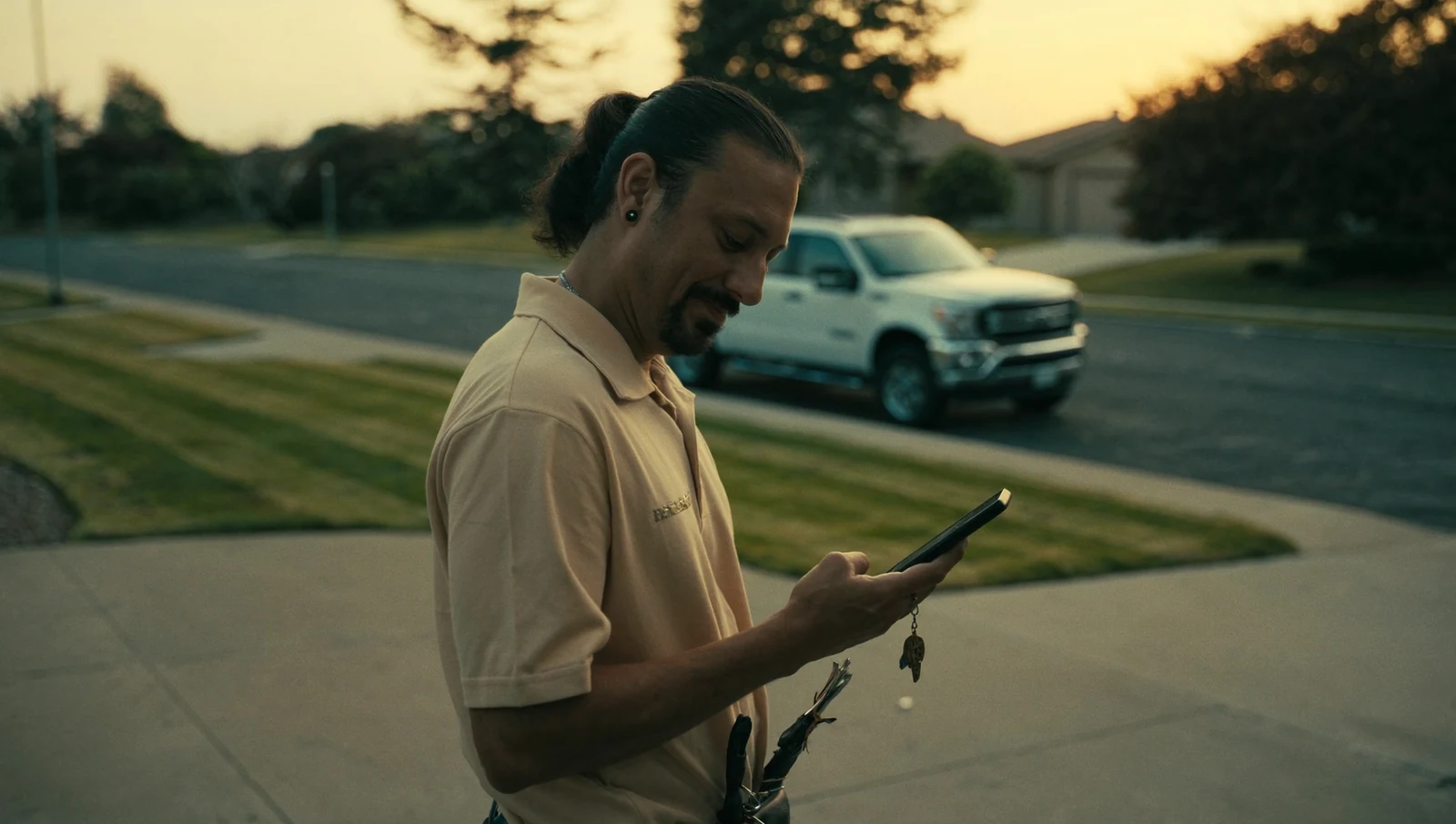
Ask a hundred lawn care pros how they get paid and most will say the same thing: cash or check. It's simple, it's familiar, and it dodges the fees that eat into a card payment. There's nothing wrong with taking cash — plenty of great businesses started exactly there.
But "cash only" quietly puts a ceiling on how big your business can get. And the reasons pros stick with it — fees, simplicity, taxes — mostly fall apart when you look at the actual numbers. Let's do that honestly.
Why do so many lawn care pros stick to cash?
Three reasons, and they're all understandable:
- Simplicity. No accounts, no waiting, money in hand today.
- Fees. Card processing takes a cut, and a couple percent feels like giving away money you earned.
- Taxes. The quiet one nobody says out loud — cash is easy to leave off the books.
The first two are real and we'll deal with them below. The third one deserves a straight answer, because it's usually built on a misunderstanding that's costing pros money.
The tax myth that keeps pros small
Here's the truth: your income is taxable whether it arrives as cash, a check, or a card payment. Leaving cash off the books isn't "avoiding fees" — it's underreporting income, which is illegal and carries penalties that dwarf anything you'd ever "save."
But the part most pros miss is that you probably wouldn't owe much on it anyway. A lawn care business runs on deductible expenses — your truck and mileage, fuel, mowers and blades, trimmer line, oil, repairs, insurance, even your phone. Once those come off the top, your taxable income is a fraction of what you brought in. Most pros who "go cash to save on taxes" would keep nearly the same money by reporting it and claiming what they're owed — without the risk.
Not tax advice
This is general education, not tax or legal advice. Everyone's situation is different — talk to a qualified accountant before you make tax decisions. But do have that conversation, because the assumption that reporting income means losing it is usually wrong.
And there's an upside to reported income that cash can never give you: you can build on it. A bank won't count money it can't see. Reported income is what qualifies you for a truck loan, a business line of credit, a lease, or a mortgage. Cash under the mattress builds nothing — no credit, no Social Security credits, no borrowing power. The pros who stay cash-only often stay small for exactly this reason.
The clients cash can't get you
Here's the growth ceiling in one sentence: the best-paying clients don't pay cash.
HOAs, property management companies, and commercial accounts are where the real, recurring money is in this trade. And every one of them will ask for the same things — an itemized invoice, a W-9, and a paper trail — and they'll pay you by check or bank transfer with a 1099 at the end of the year. If you can't invoice, you can't win that work. Staying cash-only doesn't just cap your taxes; it caps your clients.
Even with homeowners, a clean branded invoice with a pay-now link gets you paid faster than waiting on a check that "went out in the mail." Same-day invoicing is the single biggest thing you can do to shorten how long you wait to get paid.
Now, the fees — the honest math
This is where cash feels like it wins. Let's actually price it out.
- Getting jobs on Lawnzie is free. When a client pays through the app, the service fee is a flat $2.99 per job on the free plan, and $0 on Business+ for your own customers.
- Card processing runs about 2.9% + $0.30, the same as any card reader or Square. On a $130 job that's roughly $4.
- Bank transfer (ACH) runs under 1%, capped around $5 — and it's the closest thing to cash on fees.
So on a typical $130 job, getting paid through the app carries a flat $2.99 service fee on the free plan, which you or your client can cover — for a professional invoice, an instant payment record, automatic receipts, and no chasing. Weigh that against a check you have to drive to the bank, or a cash payment you have to remember to write down.
Big jobs? Take ACH.
On large invoices, the fee difference is real money. A $3,000 seasonal or commercial contract costs about $87 on a card but roughly $5 by bank transfer — you keep about $80 more. If you land bigger accounts, get in the habit of offering ACH. It settles in a few business days and lands straight in your bank, minus almost nothing.
"But my clients don't want another app"
They don't need one. You can send a pay-by-link invoice by text or email, and your client pays on the web — no account, no download. They tap the link, pay by card or bank transfer, and you both get a receipt. It's as easy for them as Venmo, and it makes you look like a business instead of a guy with a truck.
That's the real move for a cash-and-check contractor: you don't have to convert your regulars overnight. Keep taking cash from the neighbors who like it. But start sending links to the clients who'd rather pay digitally — and to every commercial prospect who was never going to hand you cash in the first place.
The bottom line
Cash isn't the enemy. Staying cash-only is. It feels cheaper and simpler in the moment, but it quietly costs you the biggest clients, the ability to borrow and grow, and — once you account for deductions — usually isn't even saving you much on taxes.
Get paid however your client wants: cash, check, card, or bank transfer. Just get it on the books, get it in one place, and get it working for your business instead of disappearing into a glovebox. That's how a lawn care hustle turns into a lawn care company.
Frequently asked questions
Do I have to stop taking cash if I use Lawnzie?+
No. Lawnzie adds ways to get paid — it doesn't take any away. Keep your cash and check regulars exactly as they are. When you want a payment record, a professional invoice, or a client who prefers to pay by card or bank transfer, the option is there in a couple of taps.
What does it cost to get paid through Lawnzie?+
Getting jobs on Lawnzie is free. When a client pays through the app, Lawnzie's service fee is a flat $2.99 per job. Standard card processing (about 2.9% + $0.30) applies the same way it would with any card reader, or you can take payment by bank transfer (ACH) for under 1%. The money is deposited straight to your bank account. On Business+, invoices to your own customers carry no service fee at all.
Is ACH (bank transfer) better than cards for lawn care payments?+
For larger jobs, often yes. ACH runs under 1% (capped around $5) versus roughly 3% on a card, so on a $3,000 seasonal or commercial contract you keep about $80 more. The trade-off is speed: ACH typically settles in about four business days rather than two. It's the closest thing to cash on fees, without a trip to the bank.
Does getting paid through an app change my taxes?+
Your business income is reportable whether you're paid by cash, check, or app — that's the law either way. What an app changes is that your income and expenses are documented, which usually means more deductions captured and a smaller, cleaner tax bill. This is general information, not tax advice — talk to an accountant about your situation.
Can my client pay without downloading an app?+
Yes. You can send a pay-by-link invoice by text or email, and your client pays on the web with no account and no download. They just tap the link and pay by card or bank transfer.